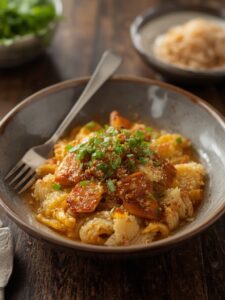
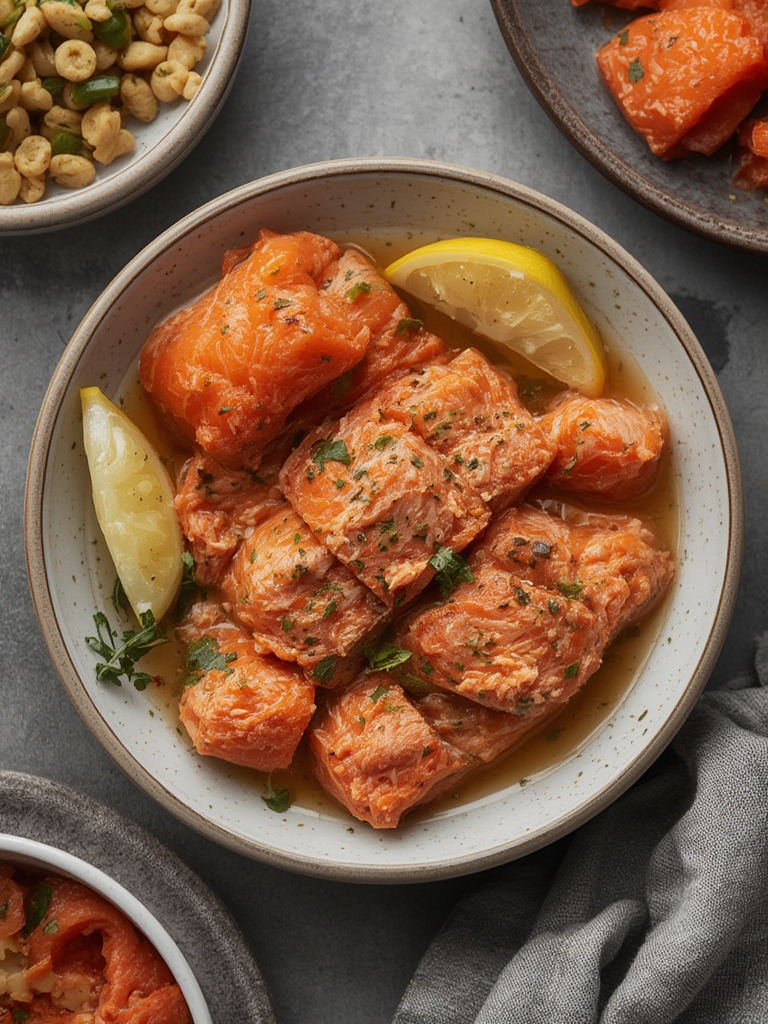
Salmon Spread Recipe with Canned Salmon
Ever found yourself staring at a can of salmon in your pantry, wondering how to transform it into something spectacular? You’re not alone. Creating a delicious salmon spread recipe with canned salmon might be easier than you think—and far more impressive than its humble beginnings suggest. Whether you’re hosting a dinner party or just craving a protein-packed snack, this versatile spread delivers gourmet flavor without breaking the bank or consuming your entire evening in the kitchen.
Table of Contents
Irresistible Salmon Spread Recipe with Canned Salmon
Ingredients
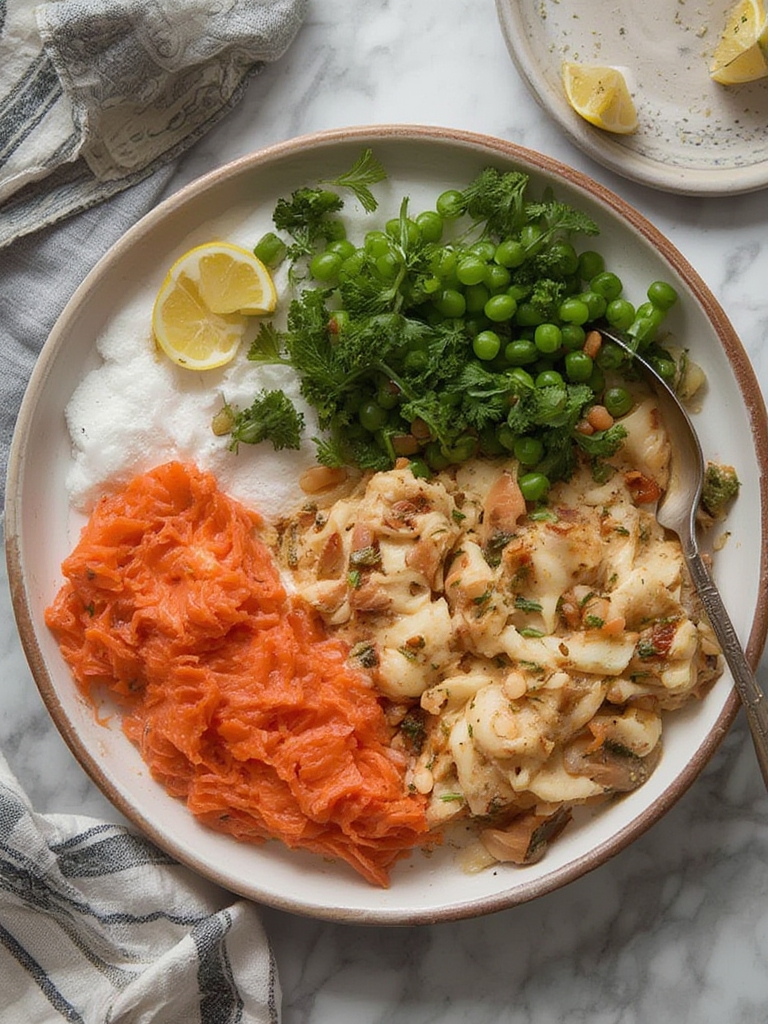
- 2 cans (7.5 oz each) pink or red salmon, drained and bones removed
- 8 oz cream cheese, softened (room temperature works best)
- 3 tablespoons mayonnaise
- 1 tablespoon fresh lemon juice
- 2 teaspoons prepared horseradish
- 2 tablespoons fresh dill, finely chopped
- 2 tablespoons green onions, finely sliced
- 1 teaspoon Worcestershire sauce
- ¼ teaspoon garlic powder
- Salt and freshly ground black pepper to taste
- Optional: 1 tablespoon capers, drained and roughly chopped
If you’re missing an ingredient or just want to tweak the flavor a bit, there’s plenty of room to improvise. No fresh dill in the fridge? Dried dill works just fine—about two teaspoons will do the trick. Try replacing half of the cream cheese with Greek yogurt; it keeps things creamy but feels less heavy. And if you’re a fan of smoked salmon cakes and that deep, smoky taste, a small splash (around half a teaspoon) of liquid smoke can add a subtle but noticeable layer of flavor. Sometimes these little adjustments end up becoming your favorite version.
Timing
Prep time: 15 minutes
Chilling time: 2 hours (minimum 30 minutes if you’re in a rush)
Total time: 2 hours 15 minutes
This recipe saves roughly 45 minutes compared to making traditional salmon patties from scratch—perfect for last-minute entertaining!
Step-by-Step Instructions
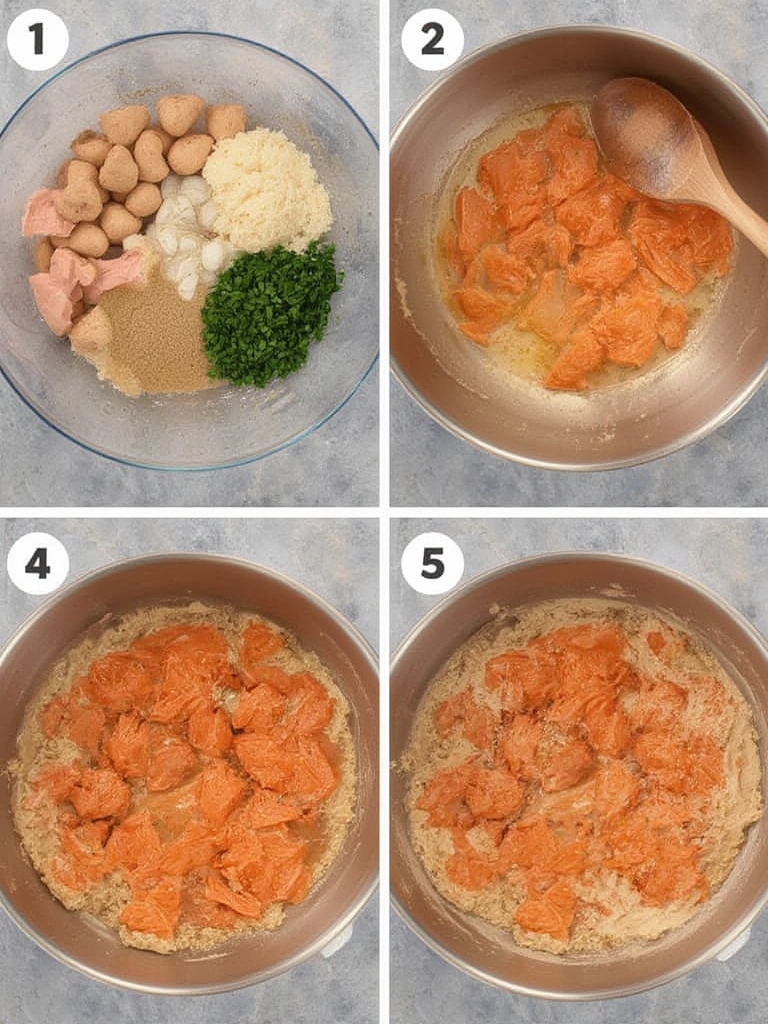
Step 1: Prepare the Salmon
Drain the canned salmon thoroughly, then transfer to a medium bowl. Carefully remove any skin and bones (though the bones are edible and calcium-rich if you prefer to leave them). Flake the salmon with a fork until it reaches an even consistency.
Step 2: Create the Base
In a separate bowl, beat the softened cream cheese until smooth and fluffy—about 2 minutes with an electric mixer or 4-5 minutes by hand. Pro tip: Letting your cream cheese reach true room temperature prevents those annoying lumps that never seem to incorporate.
Step 3: Combine and Season
Gently work the flaked salmon into the softened cream cheese, taking your time so it stays light and fluffy. Once that’s in, stir in the mayonnaise, a squeeze of lemon juice, a touch of horseradish, fresh dill, sliced green onions, Worcestershire sauce, and a pinch of garlic powder. Mix just until everything comes together. It might be tempting to keep stirring, but stopping early keeps the spread smooth and creamy instead of dense and gluey.
Step 4: Final Touches
Season with salt and pepper to taste. If using capers, gently fold them in now. Transfer to a serving bowl, cover with plastic wrap, and refrigerate for at least 2 hours to allow flavors to meld.
Nutritional Information
Per ¼ cup serving:
- Calories: 165
- Protein: 10g
- Carbohydrates: 2g
- Fat: 13g
- Fiber: <1g
- Vitamin D: 50% DV
- Calcium: 15% DV
- Omega-3 fatty acids: 1,200mg
Healthier Alternatives for the Recipe
For a lighter version with all the flavor, try these swaps:
- For a lighter option, swap the cream cheese for Neufchâtel—it has about a third less fat but still tastes rich and creamy.
- Substitute Greek yogurt for mayonnaise
- Add extra lemon juice and cut back on salt
- For keto dieters: This recipe is already low-carb, but skip the Worcestershire sauce which contains small amounts of sugar
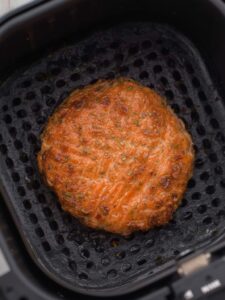
The basic technique works beautifully for frozen salmon burgers in air fryer recipes too—just cook, cool, and flake the patties before proceeding.
Serving Suggestions
Serve your salmon spread with:
- Toasted baguette slices or rye crackers
- Cucumber rounds for a refreshing low-carb option
- Stuffed into cherry tomatoes for an elegant one-bite appetizer
- Alongside salmon croquettes and grits for a Southern-inspired brunch
Garnish with fresh dill sprigs, lemon zest, or a light dusting of paprika for visual appeal.
Common Mistakes to Avoid
- Skipping the chilling time: The flavor truly develops during refrigeration
- Using cold cream cheese: Results in lumps that never fully incorporate
- Forgetting to remove pin bones: Nothing ruins the experience like an unexpected crunch
- Over-salting: Canned salmon already contains sodium, so taste before adding more
- Blending instead of folding ingredients: Creates a paste-like consistency rather than a textured spread
Storing Tips for the Recipe
Stored in a tightly sealed container, this spread will stay fresh in the fridge for about four days. In fact, it tastes even better after sitting overnight, once the flavors have had time to mingle.
If you like to plan ahead, consider making a larger batch and dividing it into smaller portions for easy, protein-packed snacks during the week. One quick note: freezing isn’t a great idea here. The dairy doesn’t hold up well, so this is definitely one of those recipes that’s best enjoyed fresh.
Conclusion
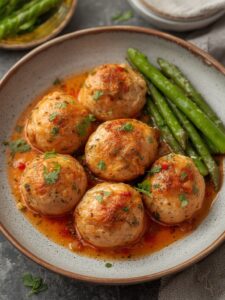
This salmon spread recipe transforms humble pantry staples into a sophisticated appetizer that looks and tastes like you spent hours in the kitchen. Whether you’re a salmon ball recipe enthusiast looking to try something new or a beginner cook seeking foolproof entertaining ideas, this versatile spread deserves a place in your recipe collection. Give it a try this weekend, and don’t forget to experiment with your own flavor variations!
FAQs
Can I use fresh salmon instead of canned?
Absolutely! Cook about 12 ounces of salmon, flake it, and let it cool completely before proceeding with the recipe.
Is this recipe gluten-free?
Good news—this spread doesn’t contain any gluten on its own. Just keep in mind that what you serve it with matters, so opt for gluten-free crackers or fresh veggies if you’re keeping things fully gluten-free.
How can I make this dairy-free?
Try substituting dairy-free cream cheese and vegan mayonnaise for a dairy-free version with similar texture.
Which kind of canned salmon works best for this recipe?
Red sockeye salmon offers the richest flavor and color, but pink salmon works well too and is typically more affordable.
Can I make salmon spread without mayonnaise?
Yes! Substitute with sour cream, more cream cheese, or Greek yogurt adjusted with a touch more lemon juice.